A good PCB layout for the TL3016CPW involves keeping the input and output capacitors close to the device, using a solid ground plane, and minimizing the length of the input and output traces. Additionally, it's recommended to use a shielded inductor and to keep the device away from high-frequency signals.
To ensure the TL3016CPW operates within its safe operating area, monitor the device's junction temperature, input voltage, and output current. Make sure the device is not exposed to excessive temperatures, and the input voltage does not exceed the recommended maximum rating. Also, ensure the output current is within the specified range to prevent overheating.
The recommended input capacitor value for the TL3016CPW is 10uF to 22uF, with a voltage rating of at least 1.5 times the maximum input voltage. A low-ESR ceramic capacitor, such as an X5R or X7R type, is recommended for its low equivalent series resistance and high reliability.
The TL3016CPW is rated for operation up to 125°C, but its performance and reliability may degrade at high temperatures. If you need to operate the device in a high-temperature environment, ensure you provide adequate heat sinking and consider derating the device's specifications accordingly.
To troubleshoot issues with the TL3016CPW, start by verifying the input voltage, output current, and ambient temperature are within the recommended specifications. Check the PCB layout for any potential issues, such as poor grounding or inadequate decoupling. Use an oscilloscope to monitor the output voltage and current, and check for any signs of oscillation or instability.
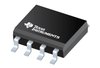 TL3016CPW datasheet
by Texas Instruments
TL3016CPW datasheet
by Texas Instruments


