STMicroelectronics recommends a 4-layer PCB with a solid ground plane, and a separate layer for the high-voltage rail. The input and output capacitors should be placed close to the IC, and the layout should minimize parasitic inductance and capacitance.
To ensure reliable start-up, ensure that the input voltage rises slowly (dv/dt < 50 V/ms) and the input capacitor is sufficiently large (>1uF) to filter out voltage spikes. Also, add a soft-start circuit to limit the inrush current.
The maximum allowed voltage on the VCC pin is 15V, but it's recommended to keep it below 12V to ensure reliable operation and minimize power consumption.
Use a voltage supervisor or a dedicated overvoltage protection IC to detect and respond to overvoltage conditions. For overcurrent protection, add a current sense resistor and a comparator to detect excessive current, and use a latch or a reset circuit to shut down the device.
Use a heat sink with a thermal resistance of <10°C/W, and ensure good airflow around the device. For high-power applications, consider using a thermally-enhanced package or a heat pipe.
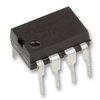 VIPer22ADIP datasheet
by STMicroelectronics
VIPer22ADIP datasheet
by STMicroelectronics


