Texas Instruments provides a recommended PCB layout in the datasheet, but it's also recommended to follow general guidelines for switching regulator layout, such as keeping the input and output capacitors close to the IC, and using a solid ground plane to reduce noise and EMI.
To ensure stability, make sure to follow the recommended component values and layout, and also add a compensation network (R3, R4, C3) as shown in the datasheet. Additionally, ensure that the input and output capacitors are of high quality and have low ESR.
The UA7905CKCSE3 is rated for operation from -40°C to 125°C, but the maximum ambient temperature range depends on the specific application and the thermal design of the system. It's recommended to follow the thermal design guidelines in the datasheet and to derate the device accordingly.
Yes, the UA7905CKCSE3 is qualified for automotive and high-reliability applications, but it's recommended to follow the specific requirements and guidelines for these applications, such as AEC-Q100 for automotive, and to consult with Texas Instruments for specific support and documentation.
To troubleshoot issues, start by checking the input and output voltage levels, and the current drawn from the input. Use an oscilloscope to check for oscillations or noise on the output. Also, check the thermal design and ensure that the device is properly heatsinked. Consult the datasheet and application notes for specific troubleshooting guidelines.
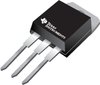 UA7905CKCSE3 datasheet
by Texas Instruments
UA7905CKCSE3 datasheet
by Texas Instruments


