The maximum input voltage that can be applied to the TPS79118DBVRQ1 is 5.5V, as specified in the absolute maximum ratings section of the datasheet. However, it's recommended to operate the device within the recommended operating conditions, which is up to 5V.
To ensure the stability of the output voltage, it's essential to follow the recommended layout and component selection guidelines provided in the datasheet. This includes using a suitable output capacitor, such as a 10uF ceramic capacitor, and placing it close to the output pin. Additionally, the input capacitor should be selected based on the input voltage and current requirements.
The TPS79118DBVRQ1 is rated for operation up to 125°C, but the device's performance and reliability may degrade at high temperatures. It's essential to consider the thermal design and ensure that the device is operated within its recommended operating conditions to maintain its performance and reliability.
The power dissipation of the TPS79118DBVRQ1 can be calculated using the formula: Pd = (Vin - Vout) x Iout, where Vin is the input voltage, Vout is the output voltage, and Iout is the output current. Additionally, the thermal resistance of the package and the ambient temperature should be considered to ensure the device operates within its recommended operating conditions.
The TPS79118DBVRQ1 is an automotive-qualified device, but it's essential to ensure that the device meets the specific requirements of the automotive application, including the AEC-Q100 qualification. Additionally, the device should be operated within its recommended operating conditions, and the design should consider the automotive-specific requirements, such as electromagnetic compatibility (EMC) and electrostatic discharge (ESD) protection.
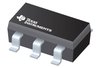 TPS79118DBVRQ1 datasheet
by Texas Instruments
TPS79118DBVRQ1 datasheet
by Texas Instruments


