The recommended PCB layout for the TDA7402TR involves placing the device close to the audio input and output connectors, using a ground plane to minimize noise, and keeping the power supply lines as short as possible. A 4-layer PCB with a dedicated ground plane is recommended. Additionally, it's essential to follow the layout guidelines provided in the application note AN2433 from STMicroelectronics.
To ensure the TDA7402TR is properly biased, it's essential to follow the recommended voltage supply and decoupling capacitor values. The device requires a single 5V supply, and decoupling capacitors of 10uF and 100nF should be placed close to the device. Additionally, the input and output pins should be biased to the correct voltage levels, and the gain should be set according to the application requirements.
The TDA7402TR is a low-power audio amplifier, and its maximum power handling capability is limited. The device can deliver up to 2W of power per channel into a 4Ω load, but it's recommended to operate it at a lower power level to ensure reliable operation and minimize heat generation.
To troubleshoot common issues with the TDA7402TR, start by checking the power supply voltage and ensuring it's within the recommended range. Verify that the input and output pins are properly biased and that the gain is set correctly. Check for noise or distortion in the input signal, and ensure that the PCB layout is correct and follows the recommended guidelines. If the issue persists, consult the application note AN2433 from STMicroelectronics for troubleshooting tips and guidelines.
The TDA7402TR is an automotive-grade device, and it's suitable for use in automotive applications. It meets the requirements of the AEC-Q100 standard, which ensures that the device can operate reliably in the harsh automotive environment. However, it's essential to follow the recommended operating conditions and guidelines to ensure reliable operation.
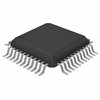 TDA7402TR datasheet
by STMicroelectronics
TDA7402TR datasheet
by STMicroelectronics


