A good PCB layout for the LTC1563-3CGN#PBF involves keeping the analog and digital grounds separate, using a solid ground plane, and placing the device close to the analog signal sources. Additionally, it's recommended to use a low-ESR capacitor for the VCC bypass and to keep the input and output traces short and direct.
The LTC1563-3CGN#PBF is specified to operate from -40°C to 85°C. To ensure operation within this range, it's essential to provide adequate heat sinking, avoid overheating, and keep the device away from high-temperature sources. Additionally, consider using thermal management techniques such as heat sinks, thermal interfaces, and airflow management.
When selecting external components for the LTC1563-3CGN#PBF, consider the component's tolerance, temperature coefficient, and parasitic inductance. Choose components with low equivalent series resistance (ESR) and high-quality capacitors with low equivalent series inductance (ESL). Additionally, ensure the components can handle the maximum voltage and current ratings of the device.
To troubleshoot common issues with the LTC1563-3CGN#PBF, start by verifying the PCB layout and ensuring that the device is properly bypassed and decoupled. Check for oscillations or instability by monitoring the output voltage and current. Use an oscilloscope to observe the waveforms and identify any anomalies. Consult the datasheet and application notes for guidance on troubleshooting and optimization techniques.
The LTC1563-3CGN#PBF is a high-performance, low-noise, and low-distortion amplifier. Compared to other similar devices from Linear Technology, the LTC1563-3CGN#PBF offers a unique combination of high bandwidth, low noise, and low distortion. It's essential to review the datasheet and compare the specifications of different devices to determine the best fit for your specific application.
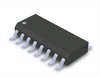 LTC1563-3CGN#PBF datasheet
by Linear Technology
LTC1563-3CGN#PBF datasheet
by Linear Technology
