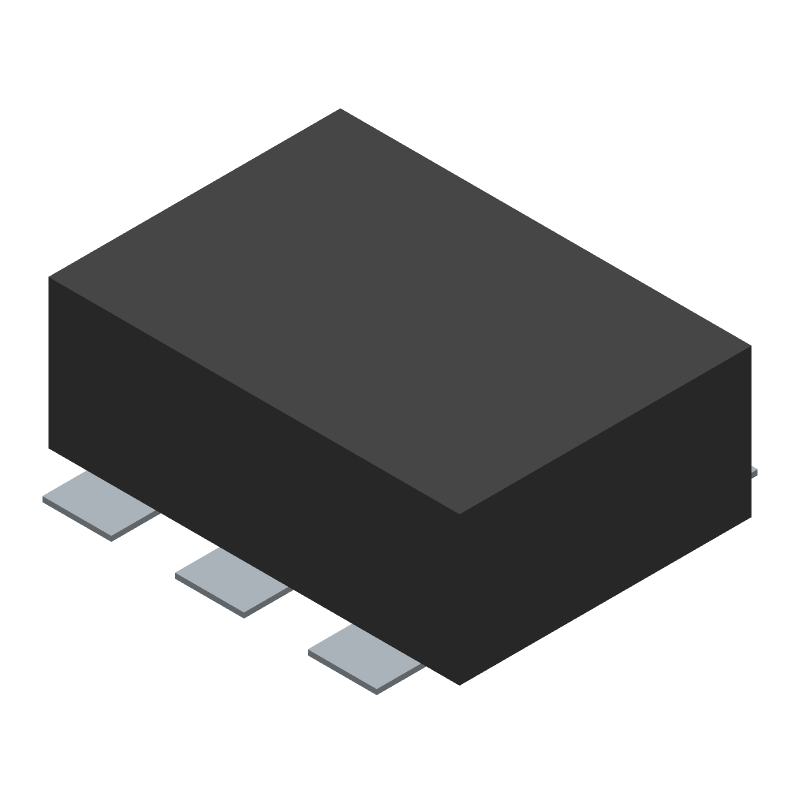
Mini-Circuits provides a recommended PCB layout and footprint in their application notes. It's essential to follow these guidelines to ensure optimal performance and minimize parasitic effects.
The ADT1-1WT has a nominal impedance of 50 ohms. To impedance match, use a pi-network or a T-network topology with resistors and capacitors. You can use online impedance matching tools or consult with a RF engineer for assistance.
The ADT1-1WT can handle up to 1W of continuous power. However, it's recommended to derate the power handling based on the operating frequency, temperature, and other environmental factors to ensure reliable operation.
Yes, the ADT1-1WT is designed for high-reliability applications and is suitable for use in space-constrained environments. However, it's essential to follow proper assembly and testing procedures to ensure the device meets the required specifications.
To troubleshoot issues, start by verifying the device is properly soldered and the PCB layout is correct. Then, use a signal generator and a spectrum analyzer to test the device's frequency response and identify any anomalies. Consult the datasheet and application notes for additional guidance.